Why We Should Be Eating Foods High In Zinc
In order to function well, the human body needs a wide range of nutrients. This includes macronutrients (proteins, carbohydrates and fats) and micronutrients (vitamins and minerals). Zinc is an essential micronutrient and is found predominantly in animal-based foods. As a micronutrient, the body only requires a small quantity of zinc each day. However, despite this, zinc is essential within our diets. This is because it contributes to an enormous range of different functions within the body. Choosing to eat foods high in zinc can help to ensure that you have enough zinc to promote optimal function.
What Does Zinc Do?
The effects of zinc are far reaching, and it plays a role in significant functions. This includes bone health, reproductive health and immune system regulation. It is involved in:
- Enzymatic processes, chemical reactions and metabolic functions
- Formation of DNA
- Protein formation
- Cell growth
- Tissue growth and repair
- Healthy immune function
- Sense of taste and smell
Why Do We Need To Eat Foods High In Zinc? The Health Benefits:
Muscle Repair and Recovery:
When assessing the effects of zinc from an exercise perspective, zinc is extremely important. This is because it helps to heal and repair your soft tissues and muscles after exercise. A good example of this is after lifting weights in the gym. It has been suggested that vigorous exercise may contribute to a reduction of zinc within the body due to sweat loss.
What Does the Research Say?
Research also indicates, that following aerobic or strength-based exercise, zinc levels are often depleted within the body. This is largely thought to be related to the repair process which occurs after exercise, in the recovery phase. This is because, zinc plays an important role in soft tissue recovery. It is involved in protein formation, cellular growth and tissue growth. It therefore contributes to muscle growth and strength.
As a result, maintaining adequate zinc levels if you exercise regularly is important. This is because it helps your soft tissues and muscles recover. Notably, zinc is also involved in hormone production. This includes, in particular, the production of testosterone. Testosterone is an important hormone for helping to build lean muscle mass (Hernandez-Camacho et al, 2020).
Bone Health
Within the body, 60% of the zinc you have can be found within your skeletal muscles. Meanwhile, 30% is found within your bones. This means that zinc is critical for bone growth, development and maintenance (Ceylan et al, 2021).
Throughout our lives, our bone health is extremely important. This is particularly true when we are growing as children, but also as we age. Women in particular are more exposed to losing bone density following the menopause. Therefore, focussing on consuming enough zinc can help to maintain bone health. This is critical due to the increased risk of developing osteoporosis.
Immune System Regulation
Our immune systems are constantly working to keep us well and have evolved to combat bacteria and viruses entering the body. Zinc helps to regulate the immune system and helps to develop and maintain immune mediating cells. Zinc can also reduce oxidative stress and can help to prevent free-radical cell damage when inflammation is present.
By boosting your immune system response, zinc can therefore help to reduce many symptoms of illness. For example, it can help to overcome symptoms of the common cold. It can also help to reduce the risk of diseases that can occur from oxidative stress. These include atherosclerosis, cancer, neurodegeneration, immunological disorders and ageing (Prasad, 2008).
Reproductive Health
For both sexes, zinc contributes to our reproductive health. In men, zinc plays a critical role in sperm development. Zinc levels are strongly associated with increased sperm volume and count, together with other sperm parameters. Zinc and other nutrients can also help to protect sperm from the damaging effects caused by toxins.
Meanwhile, in women, zinc is essential for oocyte (ovarian eggs) maturation, making it vital for a healthy menstrual cycle. It is also important if you are trying to conceive (Camp et al, 2023). From a reproductive hormone perspective, zinc also helps to regulate testosterone in both men and women. This can be beneficial for women who experience polycystic ovary syndrome (PCOS). It can also help with endometriosis and severe period pain (Teimoori et al, 2016; Nasiadek et al, 2020).
Hormone Regulation
As mentioned above, zinc helps to regulate testosterone levels within your body. In addition to this, zinc also plays a role in other hormone regulation. It can greatly help to reduce the risk of insulin resistance.
These days, insulin resistance is increasingly more common. This is because we have higher levels of sugar in our diets and more sedentary lifestyles. When insulin resistance occurs, it causes elevated levels of glucose within your blood. Zinc plays a critical role in the synthesis, storage and secretion of insulin in the pancreas. If you do not have adequate levels of zinc, the pancreas may not produce enough insulin. Additionally, the insulin it does produce, may not function correctly. Zinc also helps to promote glucose uptake within the body. This is because it helps insulin to bind to its receptors on the surface of cells.
Meanwhile, zinc also helps to synthesize, produce and activate our thyroid hormones. This enables a more efficient absorption of zinc. It can also help to prevent thyroid related symptoms such as hair loss (Wróblewski et al, 2023).
Digestive Health
If you have reduced levels of zinc, it can lead to problems such as diarrhoea, food allergies, gastrointestinal cancers and inflammatory bowel disease. This is because, inadequate zinc can compromise the integrity of the stomach lining. In turn, this reduces the absorption of important vitamins and minerals. Thus, it can increase the absorption of unwanted nutrients and pathogens (Skrovanek et al, 2014; Cheng et al, 2023; Zupo et al, 2022).
Skin Health
Both wound healing and collagen formation are two essential components of skin health. Zinc helps to contribute to both and is also helpful in helping to reduce inflammation. Research indicates that low zinc levels can be linked to acne, when inflammatory papules are present (Dhaliwal et al, 2020; Yee et al, 2020).
Are You Deficient In Zinc?
Zinc deficiency affects an enormous two billion people worldwide (Prasad et al, 2013). Your daily zinc requirements will change from childhood to adulthood. However, for adults, over the age of 19 years old, the recommended daily allowances are as follows:
- Men: 11 mg of zinc
- Women: 8 mg of zinc
- Pregnant: 11 mg of zinc
- Lactating: 12 mg of zinc
Notably, if you are pregnant or breastfeeding, there is more chance of being deficient in zinc. This is due to the increased demands placed on your body. Therefore, increasing your zinc levels is important to maintain good health during this phase of your life.
How Do You Know If You’re Zinc Deficient?
The following symptoms can be indicative of inadequate zinc intake:
- Falling ill more frequently due to decreased immunity
- Loss of taste and smell
- Low mood or depression
- Decrease in alertness (brain fog)
- Gastrointestinal discomfort
- Hair loss
- Changes in skin and nail health
- Delayed wound healing
- Diarrhoea
If you suspect that you have a zinc deficiency, then checking in with your doctor is a wise idea. Too many people take supplements without knowing what their vitamin or mineral levels are. This can lead to an imbalance within the body.
Notably, if you take zinc supplements when they’re not required, or if you take them for an extended period of time, it can reduce the levels of copper within your body. Therefore, having a blood test is important to give you an accurate and objective insight into your zinc levels. From there, if your zinc levels are low, you can then choose to take supplements if required. You can also focus on consuming more zinc within your diet. Choosing foods high in zinc is an important place to start.
Foods High In Zinc:
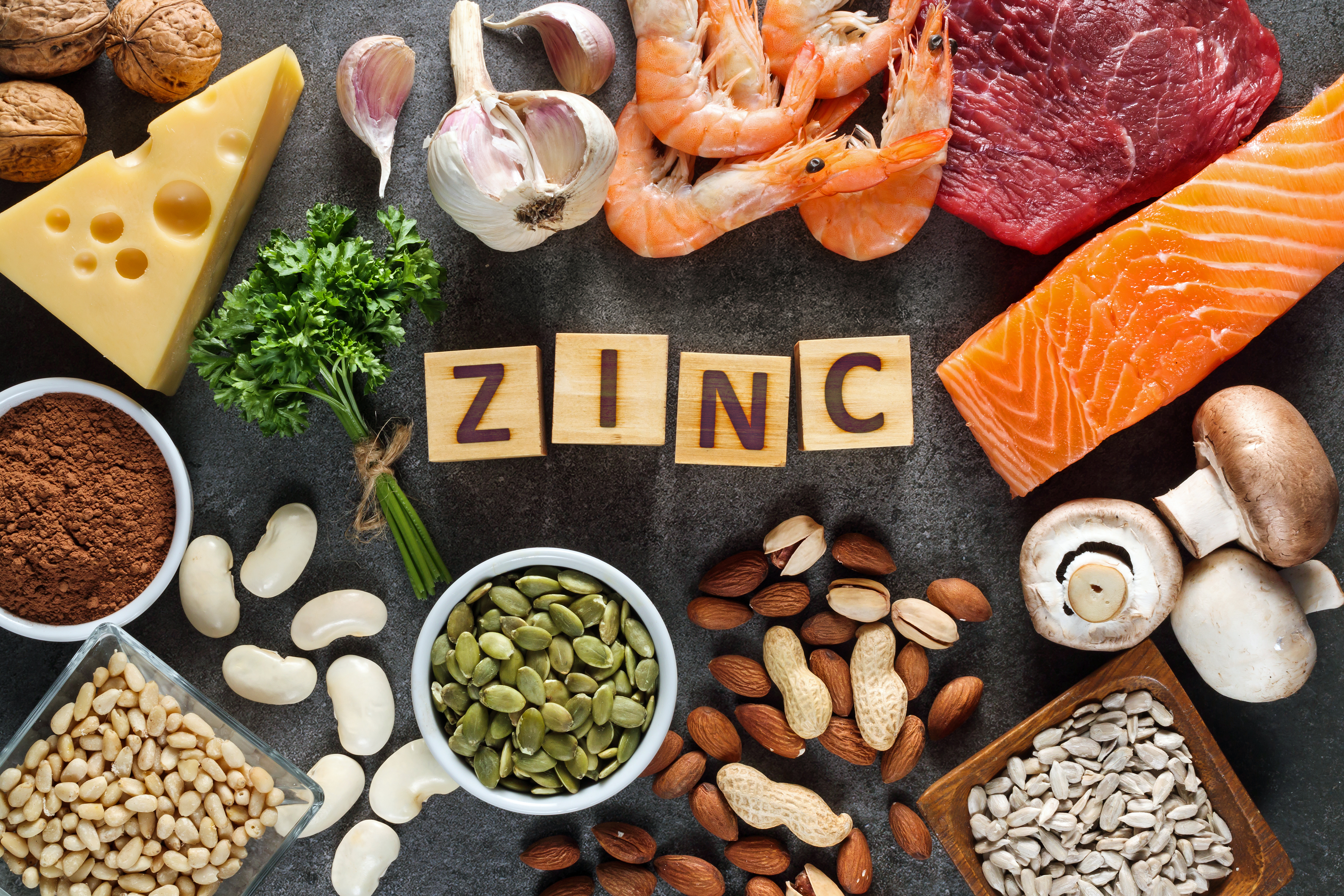
If you’re keen to increase your zinc intake, focus on eating foods high in zinc, more frequently:
- Oysters
- Beef, pork and lamb
- Pumpkin seeds
- Chickpeas
- Cashews
- Spinach
- Mushrooms
Notably, the body does not have a reservoir where it stores zinc. Therefore, consuming foods high in zinc on a daily basis is a must. This helps to maintain adequate zinc within the body.
Focussing on your diet and aiming to eat the required vitamins and minerals you require on daily basis, is essential. This ultimately helps to maintain good health. Zinc helps to support our bodies in a huge number of ways – we just have to support our own bodies by consuming enough of it.